
Child-focused dental assessment in West Delhi
Pediatric Dentist in Tagore Garden, New Delhi
A pediatric dentist, also called a pedodontist, focuses on oral health from infancy through adolescence, including prevention, growth, dental development, behaviour guidance and treatment of primary and young permanent teeth.
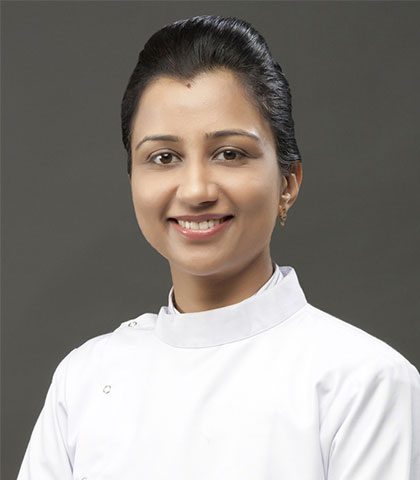
At Dr. Kathuria’s Dental Specialties, Dr. Eisha Kathuria supports family-centred assessment and coordinates pediatric dental input when a child’s age, anxiety, development or treatment complexity calls for it. Dr. Eisha is a prosthodontist, not a pedodontist.
Same-day consultations may be available; call to confirm. Monday–Saturday, 9:30 am–8:00 pm.
01 · Quick answer
Pediatric Dentist in Tagore Garden: the short answer
Arrange a child dental visit for pain, swelling, trauma, decay, delayed or unusual eruption, feeding-related concerns or preventive guidance. Early assessment can reduce the chance that a small problem becomes urgent.
In brief: diagnosis and suitability require individual examination.
02 · Overview
What pediatric dental care covers
Children are not simply small adults. Tooth development, communication, medicine doses, cooperation and the role of parents or caregivers change the way care is planned.
Preventive visits may include risk assessment, brushing and diet guidance, fluoride advice and sealant assessment. Treatment choices consider the child’s comfort, the importance of the tooth and time until natural shedding.
03 · Assessment
When to consider pediatric dentistry in Tagore Garden
Symptoms and needs can overlap with other dental conditions. A focused assessment helps define the correct pathway.
An assessment may help when
- A child reports pain or avoids chewing
- A tooth is broken, darkening or displaced after injury
- Cavities, swelling or a gum boil are visible
- Eruption, spacing or oral habits raise concern
Care needs prompt coordination when
- Facial swelling or fever needs prompt assessment
- A very young or anxious child needs behaviour planning
- Medical or developmental needs affect care
- Sedation or hospital-level care may be required
Clinical note: this list supports discussion; it does not establish a diagnosis.
04 · Compare choices
Prevention, repair or pulp treatment for children
A small cavity may be restored, while deeper disease can require pulp treatment or extraction. Sealants protect selected grooves before decay. The choice depends on symptoms, tooth structure, infection and expected lifespan of the tooth.
Questions to compare
- What is the confirmed diagnosis?
- What outcomes and limits are realistic?
- Which option preserves maintainable tissue?
- What follow-up will be required?
Second opinion
Need clarity before proceeding?
Bring available records and questions so the diagnosis, alternatives, sequence and maintenance needs can be reviewed.
05 · Care pathways
Pediatric Dentist services and treatment pathways
The appropriate pathway follows the diagnosis, clinical complexity and condition of the supporting tissues.
Preventive care
Support brushing, fluoride use, diet and sealant decisions.
Restorative care
Repair cavities or damaged teeth with child-appropriate planning.
Dental development
Monitor eruption, space, oral habits and bite growth.
06 · Consultation
Your child’s dental consultation in Tagore Garden
Bring medicine details, relevant dental records and a clear account of symptoms or previous treatment.
History
Review symptoms, health and priorities.
Examination
Assess teeth, gums, bite and relevant tissues.
Records
Use imaging or scans when clinically indicated.
Options
Compare benefits, limits and alternatives.
Plan
Agree sequence and maintenance.
07 · Process
How pediatric dentistry is planned
Build familiarity
Use age-appropriate language and a calm introduction.
Listen to parent and child
Review symptoms, habits, health and previous experiences.
Examine gently
Assess teeth, gums, development and bite.
Agree priorities
Plan prevention, urgent care and follow-up in manageable steps.
08 · Aftercare
Helping a child after dental treatment
Follow the instructions provided for the specific diagnosis and procedure. Recovery and maintenance needs differ by patient.
Prevent biting of lips or cheeks while sensation is reduced.
Follow procedure-specific eating and drinking advice.
Continue gentle brushing around the treated area.
Report swelling, fever, persistent pain or unusual behaviour.
Contact the clinic promptly for worsening swelling, persistent bleeding, fever, spreading pain, altered sensation or a loose restoration. Seek urgent medical care for breathing or swallowing difficulty.
09 · Informed care
Limits and risks to discuss
Benefits, limitations and alternatives depend on the diagnosis and chosen care.
Points reviewed before treatment
- Anxiety or difficulty completing treatment
- Temporary soreness or sensitivity
- Restoration wear, loss or recurrent decay
- Effects of untreated infection on comfort or development
- Need for specialist behaviour, sedation or hospital support
10 · Planning
Primary teeth, growth and future space
Primary teeth support eating, speech, comfort and space for permanent teeth. Their treatment value depends on infection, restorability, development and how long they are expected to remain.
Early loss may require space assessment. Eruption and bite concerns can also prompt orthodontic review at an appropriate stage.
11 · Clinical approach
Pediatric Dentist care at Dr. Kathuria’s Dental Specialties
Child pace respected
The visit is structured around age and cooperation.
Prevention prioritised
Home habits and risk control support every treatment.
Development considered
Care accounts for eruption and the changing bite.
Referral recognised
Complex behaviour or medical needs receive appropriate support.
12 · Your dentist
Meet Dr. Eisha Kathuria in Tagore Garden
Dr. Eisha Kathuria is a prosthodontist, not a pediatric dentist. She can identify dental and restorative needs, support parents with the care pathway and coordinate a pedodontist where child-specific expertise is required.
13 · The clinic
Pediatric Dentist care at Dr. Kathuria’s Dental Specialties
The Tagore Garden clinic provides family dental assessment, preventive pathways and coordinated care for children with common or complex dental needs.
Meet the dental team
14 · Common questions
Pediatric Dentist FAQ for Tagore Garden patients
When should a child first see a dentist?
A dental visit is commonly advised by the first birthday or within six months of the first tooth appearing. Earlier assessment is appropriate when parents notice a problem.
Do cavities in baby teeth need treatment?
Often yes. The choice depends on symptoms, depth, infection, restorability and when the tooth should naturally fall out.
What should I do if a permanent tooth is knocked out?
Handle it by the crown, not the root. If possible, replace it gently or store it in milk and seek urgent dental care. Do not replant a knocked-out baby tooth.
Are fluoride treatments safe for children?
Fluoride can reduce decay risk when the product and dose suit the child. The dentist considers age, exposure and individual risk.
What are pit and fissure sealants?
They are protective coatings placed in deep grooves of selected teeth to reduce decay risk. Suitability depends on eruption and tooth condition.
How can an anxious child be helped?
Short familiarisation visits, clear language, positive reinforcement and staged care may help. Some children need specialist behaviour guidance or sedation assessment.
Patient feedback
Google reviews for Dr. Kathuria’s Dental Specialties
Read current patient feedback on the clinic’s Google Business Profile.
View Google reviews15 · Location
Visit Dr. Kathuria’s Dental Specialties in Tagore Garden
Dr. Kathuria’s Dental Specialties
AC- 53, Tagore Garden, Block AC, Tagore Garden, Tagore Garden Extension, New Delhi, Delhi, 110027- Phone
- 09625583866
- Hours
- Monday–Saturday, 9:30 am–8:00 pm
Sunday, closed - Landmark
- Near Tagore Garden Metro Station
- Access
- Call to confirm step-free access, lift, washroom or parking.
Next step
Discuss pediatric dentistry with Dr. Eisha Kathuria
Arrange an assessment to clarify the diagnosis, compare suitable pathways and plan maintainable care.
Continue exploring
Related dental care
Medically reviewed by: Dr. Eisha Kathuria, BDS, MDS, Prosthodontics and Crown & Bridge
Updated: 12 October 2026
General information does not replace examination, diagnosis or personalised dental advice. Suitability, sequence, recovery and risk vary by patient.