An assessment may help when
- Pain lingers after hot or cold stimuli
- A tooth is tender when biting
- Swelling or a draining gum spot is present
- A previously treated tooth has new symptoms

Root canal and dental pain assessment in West Delhi
An endodontist focuses on conditions affecting the dental pulp and tissues around a tooth root. These problems can cause severe pain, lingering sensitivity, swelling or biting tenderness.
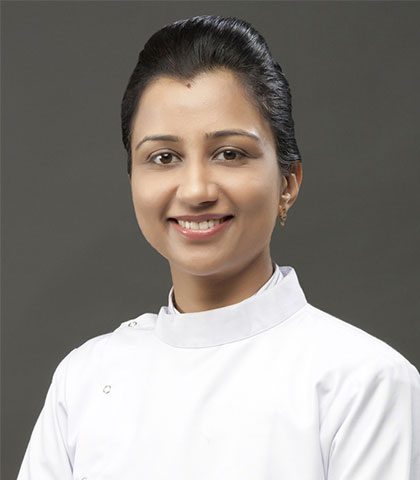
At Dr. Kathuria’s Dental Specialties, Dr. Eisha Kathuria provides the initial dental assessment and coordinates endodontic input when the diagnosis or complexity calls for it. The page does not claim that Dr. Eisha is an endodontist.
Same-day consultations may be available; call to confirm. Monday–Saturday, 9:30 am–8:00 pm.
01 · Quick answer
Seek an assessment for spontaneous toothache, lingering hot or cold sensitivity, swelling, a dental injury or pain on biting. An examination is needed to decide whether the pulp is involved and whether the tooth can be restored.
In brief: diagnosis and suitability require individual examination.
02 · Overview
Endodontic diagnosis distinguishes pulpal or root-related pain from cracked teeth, gum conditions, sinus symptoms, jaw-muscle pain and other causes. The history, clinical tests and imaging are interpreted together.
Root canal treatment removes inflamed or infected tissue from inside a restorable tooth, disinfects the canal system and seals it. The tooth then needs an appropriate definitive restoration.
03 · Assessment
Symptoms and needs can overlap with other dental conditions. A focused assessment helps define the correct pathway.
Clinical note: this list supports discussion; it does not establish a diagnosis.
04 · Compare choices
The choice depends on diagnosis, restorability, periodontal support and patient priorities. Antibiotics alone do not remove infected tissue inside a tooth and are not a substitute for definitive dental treatment.
Second opinion
Bring available records and questions so the diagnosis, alternatives, sequence and maintenance needs can be reviewed.
05 · Care pathways
The appropriate pathway follows the diagnosis, clinical complexity and condition of the supporting tissues.
Treat an inflamed or infected pulp in a restorable tooth.
Reassess a previously treated tooth with persistent or new disease.
Consider selected root-end problems when conventional care is insufficient.
06 · Consultation
Bring medicine details, relevant dental records and a clear account of symptoms or previous treatment.
Review symptoms, health and priorities.
Assess teeth, gums, bite and relevant tissues.
Use imaging or scans when clinically indicated.
Compare benefits, limits and alternatives.
Agree sequence and maintenance.
07 · Process
Record timing, triggers, swelling and previous treatment.
Assess response, biting, gums and adjacent structures.
Use focused radiographs or other imaging only when indicated.
Discuss treatment, restoration, referral or extraction where relevant.
08 · Aftercare
Follow the instructions provided for the specific diagnosis and procedure. Recovery and maintenance needs differ by patient.
Mild tenderness can occur as tissues settle.
Avoid heavy loading until the advised restoration is complete.
Complete the seal and structural protection on schedule.
Return if pain, swelling or biting tenderness worsens.
Contact the clinic promptly for worsening swelling, persistent bleeding, fever, spreading pain, altered sensation or a loose restoration. Seek urgent medical care for breathing or swallowing difficulty.
09 · Informed care
Benefits, limitations and alternatives depend on the diagnosis and chosen care.
10 · Planning
A technically treatable canal does not automatically mean the tooth is a good long-term candidate. Remaining tooth structure, cracks, gum support and the final restoration influence prognosis.
Dr. Eisha’s prosthodontic perspective helps connect endodontic decisions with the restoration needed to protect function after treatment.
11 · Clinical approach
Treatment begins only after a focused diagnosis.
Root treatment and restorability are considered together.
Referral or additional input is arranged when appropriate.
Definitive restoration is not treated as an afterthought.
12 · Your dentist
Dr. Eisha Kathuria is a prosthodontist, not an endodontist. She evaluates the tooth, restorative prognosis and final coverage needs, and coordinates appropriate endodontic care for suitable cases.
13 · The clinic
The Tagore Garden clinic provides dental-pain assessment, root canal treatment pathways and restorative follow-through based on individual findings.
Meet the dental team
14 · Common questions
No. Decay, cracks, gum problems, bite overload and referred pain can produce similar symptoms. Diagnosis comes first.
Antibiotics may be indicated for selected spreading infections or systemic involvement, but they do not clean and seal the root canal system.
The restoration depends on tooth position and remaining structure. Back teeth commonly need cuspal protection, but the plan is individual.
Inflammation around the root, cracks, missed anatomy, reinfection or a non-dental pain source may be involved. Reassessment is required.
Sometimes. Retreatment suitability depends on the cause, access, remaining structure and overall prognosis.
Seek prompt care for facial swelling, fever, spreading pain, difficulty swallowing or breathing, or trauma. Breathing or swallowing difficulty needs urgent medical care.
Patient feedback
Read current patient feedback on the clinic’s Google Business Profile.
View Google reviews15 · Location
Dr. Kathuria’s Dental Specialties
AC- 53, Tagore Garden, Block AC, Tagore Garden, Tagore Garden Extension, New Delhi, Delhi, 110027Next step
Arrange an assessment to clarify the diagnosis, compare suitable pathways and plan maintainable care.
Continue exploring
Medically reviewed by: Dr. Eisha Kathuria, BDS, MDS, Prosthodontics and Crown & Bridge
Updated: 12 October 2026
General information does not replace examination, diagnosis or personalised dental advice. Suitability, sequence, recovery and risk vary by patient.